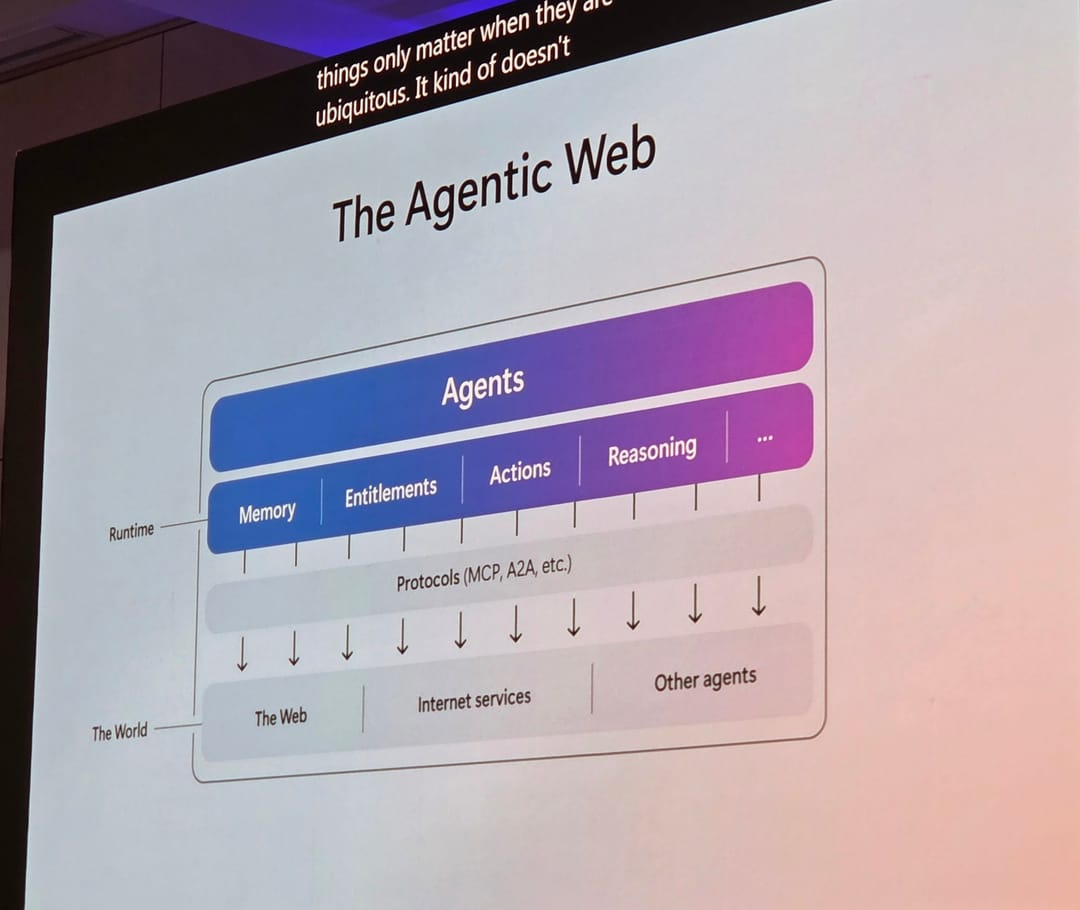
Agentic Browsing: From Keyword Searches to Intent-Driven Web Journeys
Agentic browsing replaces keyword-based navigation with AI agents that understand user intent and act on the user’s behalf. Instead of typing queries into a search box, people express goals in natural language and let the browser orchestrate the steps. This shift reframes the web as a task-centric environment—less about clicking through pages, more about delegating outcomes such as “renew my subscription,” “plan a trip,” or “compile a research brief.”
Open Standards and Interoperability at the Core
Microsoft’s vision emphasizes open standards over proprietary lock-in. The proposed agentic model is intended to be extensible across browsers and platforms—not limited to any single company’s services. By promoting interoperability, the approach aims to enable freer data flows and broader innovation, allowing developers and open-source communities to participate without restrictive licensing or closed ecosystems.
Web Development Impact: Structured, Machine-Readable Content
Agentic browsing would influence site design and architecture at a fundamental level. Rather than building solely for manual navigation, developers would prioritize structured, machine-readable data that intelligent agents can parse and act upon. This evolution favors clarity of semantics and real-time operability, enabling agents to execute multi-step tasks without constant human input.
Opportunities for Local and Global Ecosystems
Early adopters stand to gain. For example, the Australian web development industry could leverage agent-friendly site architectures to compete globally. Agencies and startups that design for decentralized, agent-based experiences may unlock new value across tourism, e-commerce, education, and government by delivering AI-optimized interactions that fit naturally into a broader, interoperable web.
AI Agents in Everyday Internet Use: Personal Assistants for Routine and Complex Tasks
In this model, AI agents function as personal web assistants. They understand preferences, constraints, and timelines, then work in the background to compare prices, track orders, or research topics. The result is fewer clicks and faster outcomes—transforming the web into a dynamic, interactive layer that executes tasks based on conversation, not manual form-filling.
Business Implications: From Landing Pages to Live, Actionable Data
As agents take center stage, businesses may need to rethink traffic capture and conversion. The emphasis shifts from polished landing pages to structured data that agents can interpret and act upon in real time. Companies that publish clear, machine-readable information position themselves to be discovered and transacted with by user agents—creating new pathways for conversion and retention.
Challenges: Security, Governance, and Cross-Stakeholder Adoption
Realizing a decentralized, agentic web requires broad collaboration among browser makers, website owners, standards bodies, and developers. Security is pivotal: the more autonomous the agent, the larger the potential attack surface. Establishing safeguards to prevent malicious exploitation will be essential.
Balancing Decentralization with Regulation
The model must win over both end users and developer communities. Striking the right balance between openness and necessary governance will be delicate, especially where regulatory priorities vary. Clear accountability and shared standards will be critical to building trust at scale.
Browsing Without Search Boxes: A Decade of Conversational, Task-Driven Experiences
If decentralized agentic browsing takes hold, conversational interactions could become the default—much like mobile responsiveness became standard in the past decade. For developers and startups, the transition means building web ecosystems that are both user-friendly and agent-friendly, ushering in a world where the browser acts as an intelligent companion rather than a static window.
Join the Conversation: How Should Businesses Prepare?
The future of agentic browsing hinges on open standards, structured data, and developer collaboration. Share your perspective: how will your organization adapt site architecture and data publishing to serve user agents effectively?
Q&A
What makes agentic browsing different from traditional search?
Traditional search relies on keyword queries and manual navigation. Agentic browsing lets users express goals in natural language while AI agents execute multi-step tasks on their behalf—reducing clicks and shifting the web toward a task-based model.
Why are open standards so important to this vision?
Open standards enable interoperability across browsers, platforms, and communities. This avoids walled gardens, encourages innovation, and ensures developers can build agent-friendly experiences without restrictive licensing.
What are the biggest hurdles to widespread adoption?
Adoption requires coordinated effort among browsers, websites, standards bodies, and developers. Security risks rise with automation, and governance must balance decentralization with regulatory needs to maintain trust and safety.